
How To Build Health Habits and Stay On Track: Even When Life Gets Busy

Healthy habits often begin with the best intentions.
You decide that this is the week you will drink more water, move your body every day, prepare healthier meals, and finally make time for yourself.
Then..... Life Happens.
You sleep through your alarm. Work becomes stressful. The laundry piles up. You miss one workout, order takeout, and suddenly feel as though you have ruined all your progress.
You convince yourself.... I will start next week. Next week will be better.

But staying healthy is not about following a perfect routine. It is about creating habits that support you and learning how to return to them when life pulls you off course.
Self-care works the same way. It does not have to mean an expensive spa day or a perfectly planned morning routine.
Sometimes self-care is going to bed earlier, stepping outside for ten minutes, saying no without feeling guilty, or choosing the option that makes tomorrow a little easier.
If you have struggled to stay consistent, you probably do not need more willpower. You need a routine that is realistic enough to work in your actual life.
Stop Letting One Missed Day Become a Missed Week
Missing a habit once is normal. The real damage often comes from the story we tell ourselves afterward: I have already messed up, so I may as well start again Monday.
You do not need a new week, a new month, or a new year. You only need the next opportunity.
The next choice matters more than the last one.
A helpful rule is: Never miss twice when you can reasonably help it. This is not a demand for perfection. It is a reminder to return before one disrupted day quietly becomes a new pattern.
Start Smaller Than You Think You Should
One of the easiest ways to lose momentum is to change too much at once.
A long list of new rules may feel exciting on Monday, but it can become exhausting by Thursday.
Instead, choose one small action that you can repeat consistently.

That might look like:
Drinking a glass of water before your morning coffee
Taking a ten-minute walk after lunch
Adding one fruit or vegetable to your day
Stretching for five minutes before bed
Putting your phone away 30 minutes before you go to sleep
These actions may seem almost too simple, but that is exactly why they work.
Small habits require less motivation, fit more easily into a busy schedule, and give you an early sense of success.
Once a habit begins to feel automatic, you can build on it.
A ten-minute walk may naturally become twenty minutes. One balanced breakfast may lead to better choices throughout the day.
Progress does not have to be dramatic to be meaningful.
Connect New Habits To Something You Already Do
A healthy habit is easier to remember when it has a clear place in your day.
Try attaching it to a routine that already happens without much thought.
Some simple ideas can include:

After brushing your teeth, take your vitamins.
While your coffee brews, fill your water bottle.
After lunch, walk around the block.
When you close your laptop for the day, spend five minutes stretching.
After getting into bed, write down three things that went well.
The existing routine becomes a reminder. Instead of waiting until you “find time,” you give the new habit a home.
Make the Healthy Choice Easier
We often blame ourselves when we do not follow through, but our environment has a powerful effect on our behavior.
A little preparation can reduce the number of decisions you have to make when you are tired, distracted, or short on time.
Keep your water bottle where you can see it. Place walking shoes near the door. Put your yoga mat in a spot where it is simple to unroll. Choose tomorrow’s workout clothes the night before.
Create a "Minimum Day" Version of Your Routine
Not every day will have the same amount of time, energy, or motivation. That does not mean you need to abandon your habits completely.
Create a smaller version of your routine for difficult days.
The goal is not to do as much as you can every day. The goal is to maintain a connection to the habit.
Something still counts.
Track Progress Without Turning It Into Pressure
Tracking a habit can be motivating because it makes your effort visible. You can use a paper calendar, a notes app, a habit tracker, or a simple checkmark in your planner.
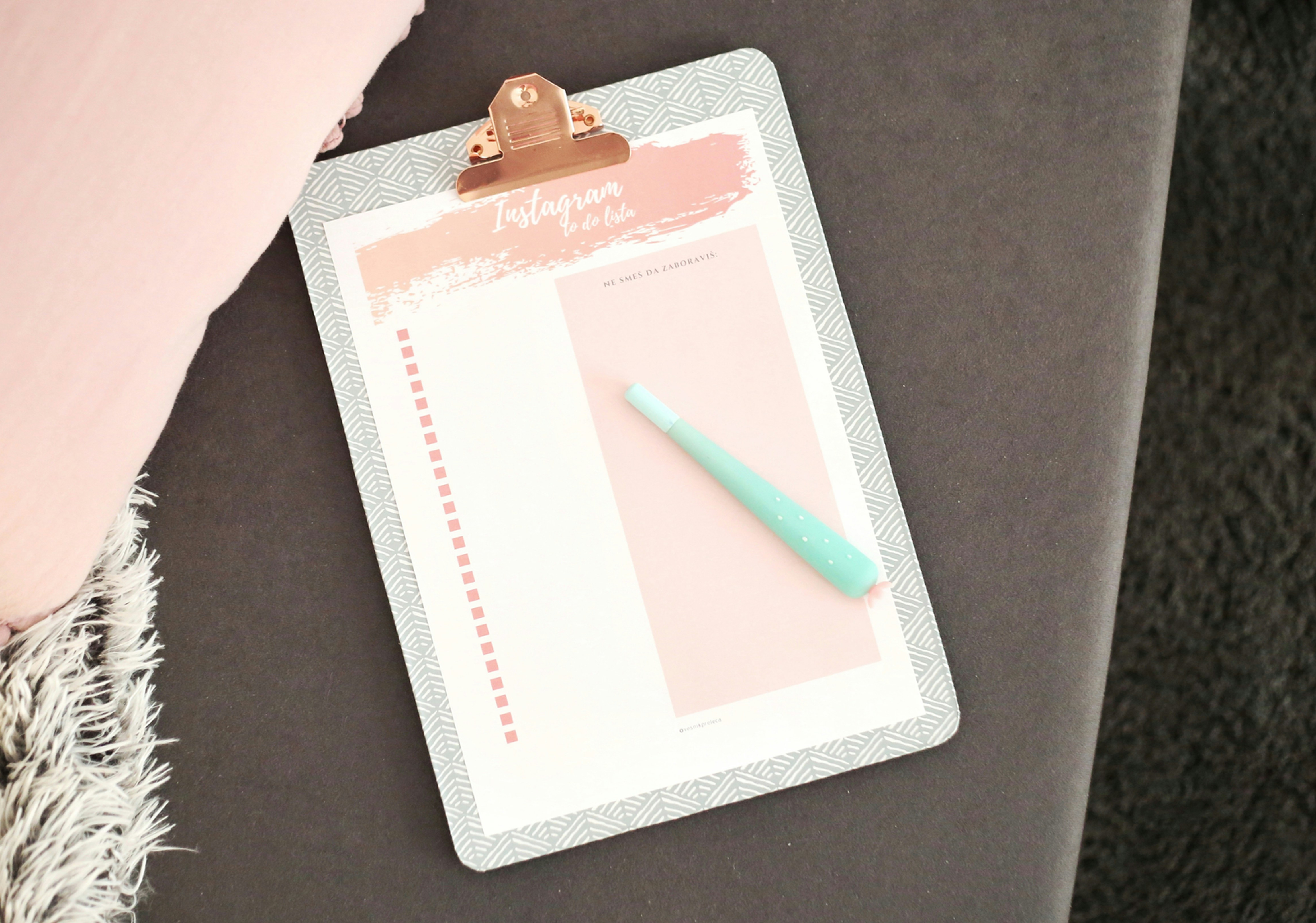
Keep the process light. Tracking should help you notice patterns, not give you another reason to criticize yourself.
Healthy living is not a test you pass or fail.
One dessert does not erase a week of nourishing meals. One missed workout does not undo your strength. A stressful season does not mean you have lost the ability to care for yourself.
The routine should bend when your life changes, rather than break completely.
The Goal is a Life That Supports You
The most effective healthy habits are rarely the most extreme. They are the ones you can return to again and again.
There will be days when taking care of yourself feels natural and days when it feels like work.
On both kinds of days, remember this: you do not have to do everything to do something good for yourself.
Start small. Make the next helpful choice. T
Then keep going—not perfectly, but consistently enough to build a life that feels healthier, calmer, and more like your own.
You can do this.


Comments